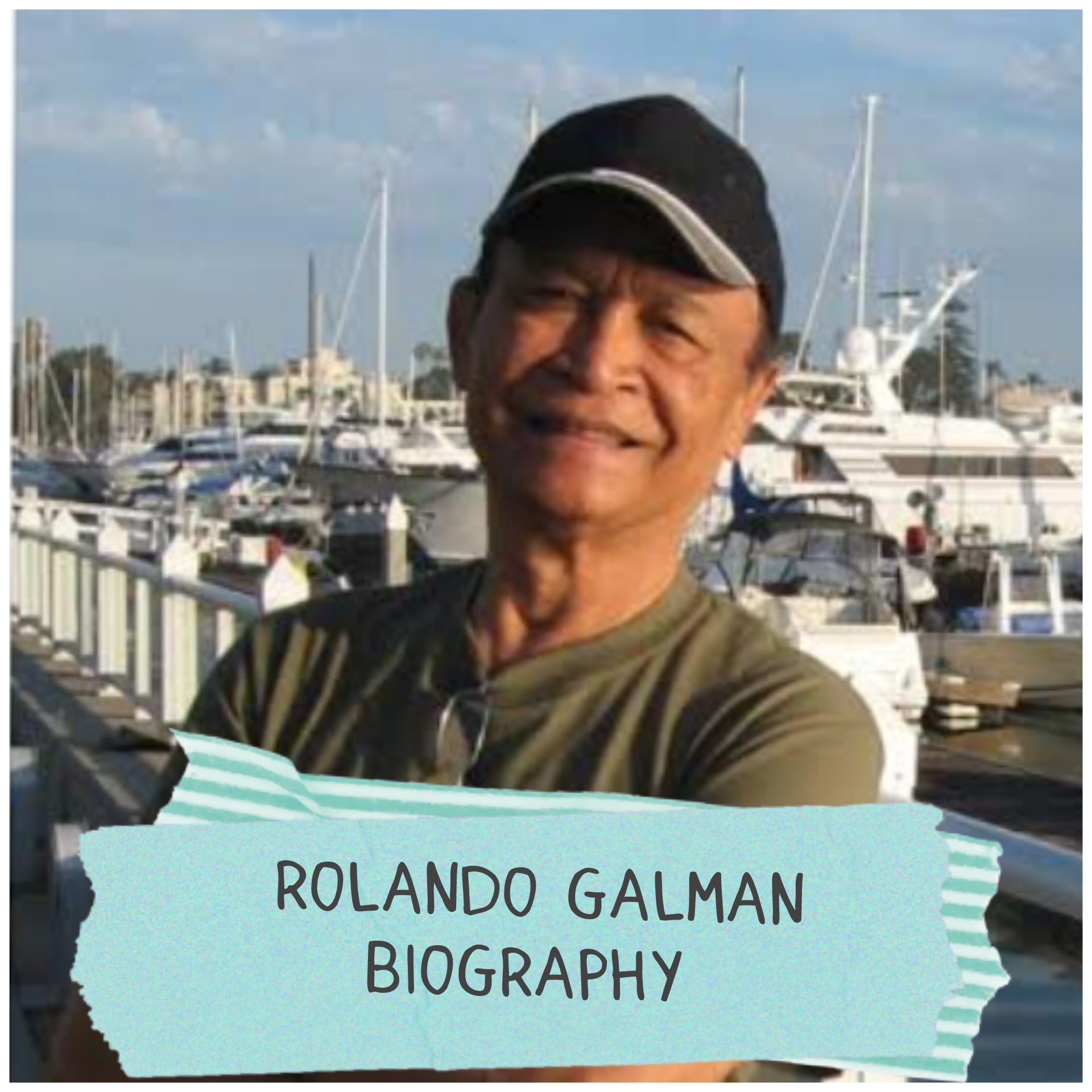
Rolando Galman was a Filipino man who became a central figure in one of the most controversial political assassinations in Philippine history. He was identified by the government of President Ferdinand Marcos as the alleged gunman who shot former senator Benigno “Ninoy” Aquino Jr. at Manila International Airport on August 21, 1983. Galman was also killed at the airport shortly after Aquino was shot.
Galman was about 34 years old when he died. Before the assassination, he lived a relatively private life and was described in contemporary accounts as a pig farmer. His name became internationally known after the Marcos government presented him as a hired killer and communist operative responsible for Aquino’s death. This claim later became the subject of intense public debate and investigation.
Today, Rolando Galman remains an important figure in the history of the Ninoy Aquino assassination. His death became part of a case that changed Philippine politics and contributed to the growing opposition against the Marcos dictatorship. As the Philippines marks the 43rd anniversary of Aquino’s assassination on August 21, 2026, Galman’s life, death, and alleged role in the killing continue to attract historical interest.
Rolando Galman Early Life and Background
Rolando Galman was born in the Philippines and came from an ordinary family background. Detailed records about his exact date of birth, childhood, and early years are limited. Contemporary reports placed his age at about 34 when he died in 1983. He was associated with San Miguel in Bulacan, where he lived with his family before his death.
Before becoming connected to the assassination of Ninoy Aquino, Galman lived a relatively private life. Reports from people who knew him described him as a pig farmer. Some neighbors remembered him as a quiet man who spent time with his family and children. These accounts presented a different picture from the government description of him as a hired killer.
Little reliable information is available about Galman’s formal education and childhood experiences. His early life received little public attention because he was not a major public figure before 1983. His life changed completely after he was identified as the alleged assassin of Ninoy Aquino. His death at Manila International Airport then made his name permanently connected to one of the most debated events in Philippine political history.
Rolando Galman Career
Rolando Galman’s working life was largely outside politics and public life. Before the events of 1983, he was known mainly as a private citizen living in the Philippines. Contemporary reports described him as a pig farmer. He lived a modest life and was not known nationally before his name became connected to the assassination of Ninoy Aquino.
His work as a pig farmer formed part of the ordinary life described by people who knew him. Accounts from his community portrayed him as a family man who lived quietly. There are limited reliable records about his education, professional qualifications, or other occupations before 1983. His career therefore remains less documented than the political events that later made him famous.
The Marcos government later presented a completely different picture of Galman’s background. Military authorities identified him as a hired gun and alleged that he had connections to communist groups. They claimed that he had been sent to assassinate Aquino when the former senator arrived at Manila International Airport. These allegations became a major part of the government’s explanation of the killing.
On August 21, 1983, Galman appeared at Manila International Airport as Ninoy Aquino returned from exile. Aquino was shot shortly after leaving his aircraft. Galman was then shot and killed on the airport tarmac. The government immediately identified Galman as Aquino’s assassin, making his death a central part of the official explanation of the assassination.
The events surrounding Galman’s final moments later became the subject of investigations, court cases, and intense political debate. The original government narrative was challenged, particularly after the fall of Ferdinand Marcos in 1986. Military personnel were eventually prosecuted and convicted for the killings of Aquino and Galman. Galman’s alleged role therefore remains one of the most disputed parts of his life and career.
Although Galman did not have a conventional public career, his name became permanently linked to Philippine political history. His ordinary working life as a pig farmer was overshadowed by the events at Manila International Airport. His death, the accusations made against him, and the unanswered questions surrounding Aquino’s assassination continue to shape how his life is remembered.
43rd Anniversary of Ninoy Aquino’s Assassination
Rolando Galman is receiving renewed attention today because August 21, 2026, marks the 43rd anniversary of the assassination of former Philippine senator Benigno “Ninoy” Aquino Jr. The date is observed in the Philippines as Ninoy Aquino Day. It commemorates Aquino’s death after he was shot shortly after arriving at the former Manila International Airport in 1983.
Galman remains part of the anniversary discussions because he was killed at the airport moments after Aquino was shot. The Marcos government identified Galman as the gunman, but his alleged role has remained disputed for decades. Later investigations and court proceedings changed the official understanding of the case, and 16 military personnel were eventually convicted for the killings of Aquino and Galman.
The assassination became a major turning point in Philippine history. Aquino’s death strengthened opposition to Ferdinand Marcos and helped fuel the political movement that eventually led to the 1986 People Power Revolution. As Filipinos commemorate the 43rd anniversary today, Galman’s death remains an important part of the unanswered questions surrounding one of the country’s most significant political assassinations.
Rolando Galman Personal Life and Family
Rolando Galman was married to Lina Lazaro, and the couple lived together in Bagong Silang, San Miguel, Bulacan. They had a son named Reynaldo Galman. Lina also had a daughter, Roberta Masibay, who became known as Galman’s stepdaughter and later gave testimony about the events leading to his disappearance before the Aquino assassination.
Galman was the eldest child in his family. His mother was Saturnina Galman, who strongly defended her son after his death and rejected the government’s claim that he was responsible for Ninoy Aquino’s killing. Saturnina described Rolando as an obedient and hardworking man who worked as a farmer and raised pigs. She also said that he was kind and helpful to poor people in his community.
His family suffered another tragedy after his death. Lina and their nine-year-old son, Reynaldo, disappeared in September 1983 after armed men reportedly took them from their home. Lina was never heard from again, while Reynaldo later became an important witness in investigations surrounding his father’s death. The disappearance of Galman’s wife added another disturbing chapter to a case that has remained surrounded by unanswered questions.
Legacy
Rolando Galman’s legacy is closely tied to the assassination of Benigno “Ninoy” Aquino Jr. on August 21, 1983. The Marcos government identified Galman as the gunman who killed Aquino, but this explanation became heavily disputed. Galman was killed immediately after Aquino was shot, leaving his exact role in the assassination at the center of decades of historical and political debate.
His death also became part of the legal history surrounding the Aquino assassination. After the fall of Ferdinand Marcos in 1986, the case was reopened. Sixteen military personnel were eventually convicted for the killings of Aquino and Galman. The convictions changed the official legal record of the case and strengthened the view that Galman’s death could not simply be separated from the wider assassination.
Today, Galman is remembered less for his personal career than for the mystery surrounding his final moments. His name remains connected to questions about who planned Aquino’s assassination and why Galman was killed at the scene. His story continues to appear in discussions about Philippine history, the Marcos dictatorship, Ninoy Aquino, and the political events that eventually contributed to the 1986 People Power Revolution.
Conclusion
Rolando Galman’s life remains one of the most controversial stories connected to modern Philippine history. He was a private citizen and pig farmer whose name became permanently linked to the assassination of Ninoy Aquino on August 21, 1983. The Marcos government identified him as Aquino’s assassin, but later investigations and court proceedings raised serious questions about the official account. His death at Manila International Airport, together with the unresolved questions surrounding the assassination, has kept his story alive for more than four decades.
Frequently Asked Questions About Rolando Galman
Who was Rolando Galman?
Rolando Galman was a Filipino pig farmer who became known after he was identified by the Marcos government as the alleged assassin of former senator Benigno “Ninoy” Aquino Jr. Galman was killed at Manila International Airport on August 21, 1983, shortly after Aquino was shot.
How old was Rolando Galman when he died?
Rolando Galman was about 34 years old when he died on August 21, 1983. His exact date of birth is not consistently documented in publicly available historical records.
When did Rolando Galman die?
Rolando Galman died on August 21, 1983, at Manila International Airport in the Philippines. He was killed moments after Ninoy Aquino was shot after arriving from exile.
Who was Rolando Galman’s wife?
Rolando Galman’s wife was Lina Lazaro. The couple had a son named Reynaldo Galman. Lina and Reynaldo later became connected to investigations surrounding Galman’s death.
Did Rolando Galman kill Ninoy Aquino?
The Marcos government claimed that Rolando Galman was the gunman who killed Ninoy Aquino. However, Galman’s role remains disputed, and later investigations and court proceedings challenged the original government account.
What was Rolando Galman’s occupation?
Rolando Galman was described in contemporary accounts as a pig farmer. He lived a relatively private life before becoming connected to the Aquino assassination.
Where did Rolando Galman live?
Rolando Galman was associated with San Miguel, Bulacan, Philippines. Reports about his family and home life also connect him with the Bagong Silang area of San Miguel.
Why is Rolando Galman famous?
Rolando Galman is famous because he was identified as the alleged assassin of Ninoy Aquino. His own killing at the airport immediately after Aquino’s death made him a central figure in one of the Philippines’ most controversial political assassinations.
What happened to Rolando Galman’s family?
After Galman’s death, his wife Lina Lazaro and their young son Reynaldo reportedly disappeared from their home. Their disappearance became another unresolved part of the controversy surrounding the Aquino assassination.
What is Rolando Galman’s legacy?
Rolando Galman’s legacy is connected to the unresolved questions surrounding Ninoy Aquino’s assassination. His story remains part of Philippine political history and continues to attract interest whenever the country commemorates Aquino’s death and the events that eventually contributed to the 1986 People Power Revolution.